
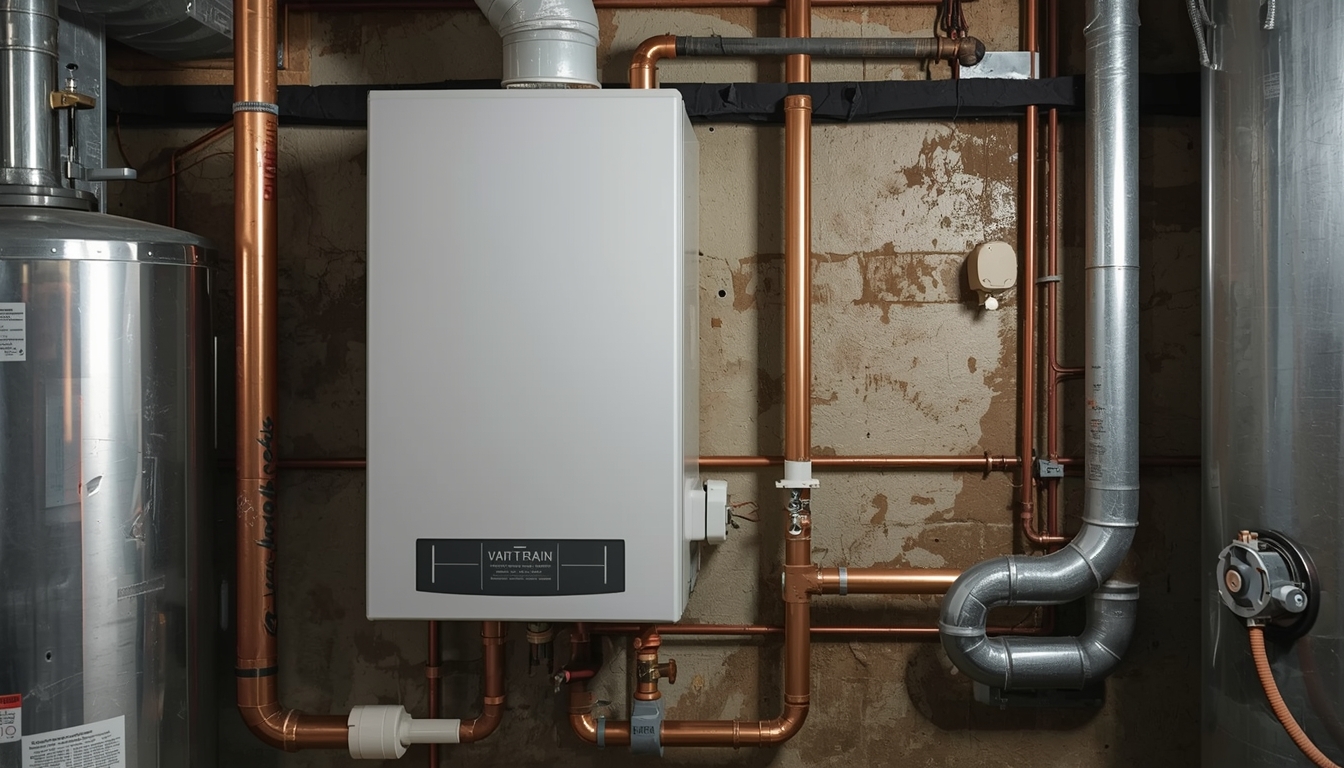
Heating Issues in Winter
When to Call HOA Management vs. Emergency Services
Chicago winters can bring colder temperatures, and with them, an increase in heating-related concerns within HOA or condominium communities. While some issues require immediate emergency response, many others can and should be handled through normal management channels. Understanding the difference helps protect residents, prevent property damage, and ensure emergencies receive the proper attention required.
Clear communication and informed residents are key to keeping everyone safe and minimizing unnecessary stress during the winter months.
What Constitutes a Heating Emergency?
A true heating emergency generally involves an immediate risk to life, health, or significant property damage. Residents should contact emergency services (911) or the appropriate utility provider when, for example:
- There is a suspected gas leak, indicated by the smell of gas or hissing sounds
- Carbon monoxide alarms are sounding
- There is a fire, sparks, or visible smoke from heating equipment
- A heating-related issue presents an immediate safety hazard
In these situations, resident safety comes first. Emergency services should be contacted immediately, and management notified afterwards, as soon as it is safe to do so. Your safety is the priority.
When to Contact Association Management
Most heating issues do not require emergency responders and are best handled by contacting Association management. These include:
- A heating unit maintained by the HOA or condominium Association is not functioning properly but no immediate danger exists
- Radiators or baseboard heaters in common areas, or units where the Association provides heat etc. are uneven or slow to warm
- Frozen or suspected frozen pipes without active flooding
- Questions about thermostat operation or building-wide heating schedules
Management is equipped to assess these situations, determine responsibility (association vs. owner), and coordinate licensed vendors when needed. Promptly reporting issues allows management to respond efficiently and helps prevent minor problems from escalating.
Why Calling Management First Matters
Contacting management first when appropriate ensures the issue is handled correctly and cost-effectively. Management teams understand the building’s systems, governing documents, and vendor relationships. They can:
- Dispatch approved contractors familiar with the property
- Avoid unnecessary emergency service charges
- Ensure repairs comply with association policies and warranties
- Communicate updates to affected residents
Association Boards (and Community members) should prefer pre-approved vendors:
- Their insurance and licensure is already verified, homeowners calling random vendors could result in damage to common elements
- Their pricing is already familiar to the Association
- Effective and established communication requirements
- The relationship usually results in favored response times
- Approved vendors are usually more familiar with an Association's systems having worked on them in the past
What Homeowners Can Do
Homeowners (and tenants for communities that allow rental units) play an important role in winter preparedness and response. To help ensure smooth handling of issues:
- Report concerns early, don’t wait until conditions worsen - submit a work order in the Association homeowner portal
- Provide clear details when contacting management (temperature, duration, visible issues)
- Keep vents, radiators, and heaters unobstructed
- Do not store items, especially if flammable, in utility rooms
- Maintain a minimum indoor temperature during cold snaps to help prevent frozen pipes
The Manager’s Role in Winter Heating Issues
Behind the scenes, property managers are actively monitoring weather conditions, coordinating vendors, responding to service calls, and communicating with boards. During winter months, management teams often deal with multiple heating-related issues simultaneously, prioritizing based on urgency and risk.
Managers also serve as the communication bridge ensuring residents know what to expect, boards are informed, and issues are resolved professionally and efficiently.
A Shared Responsibility
Knowing when to call emergency services versus when to contact management helps ensure faster resolutions, improved safety, and better use of association resources. At the heart of effective association living is clear communication, mutual respect, and professionalism from residents, board members, and management alike. By working together and understanding the proper channels, communities can stay warm, safe, and well-managed all winter long.
PMI Service Group manages residential rental property, Associations, commercial properties and even commercial Associations. Let us help you establish professionalism and trust in your Chicagoland Community.
PMI Service Group
630-912-8742