Attic Insulation: Energy Efficiency, Code Standards, and Who’s Responsible?
Attic insulation plays a critical role in a home’s comfort, energy efficiency, and long-term condition. Yet it’s often overlooked until problems arise. For condominium associations (Townhomes and condo HOAs), understanding how attic insulation works, what current standards require, and who is responsible for maintaining it can prevent disputes, unexpected costs, and building performance issues.
Why Attic Insulation Matters
Attics are one of the primary areas where homes lose heat in winter and gain heat in summer. Proper insulation helps regulate indoor temperatures, reducing the strain on HVAC systems and lowering energy bills. Inadequate or deteriorated insulation can lead to higher utility costs, uneven temperatures, ice dams, condensation, and even moisture-related damage such as mold or wood rot.
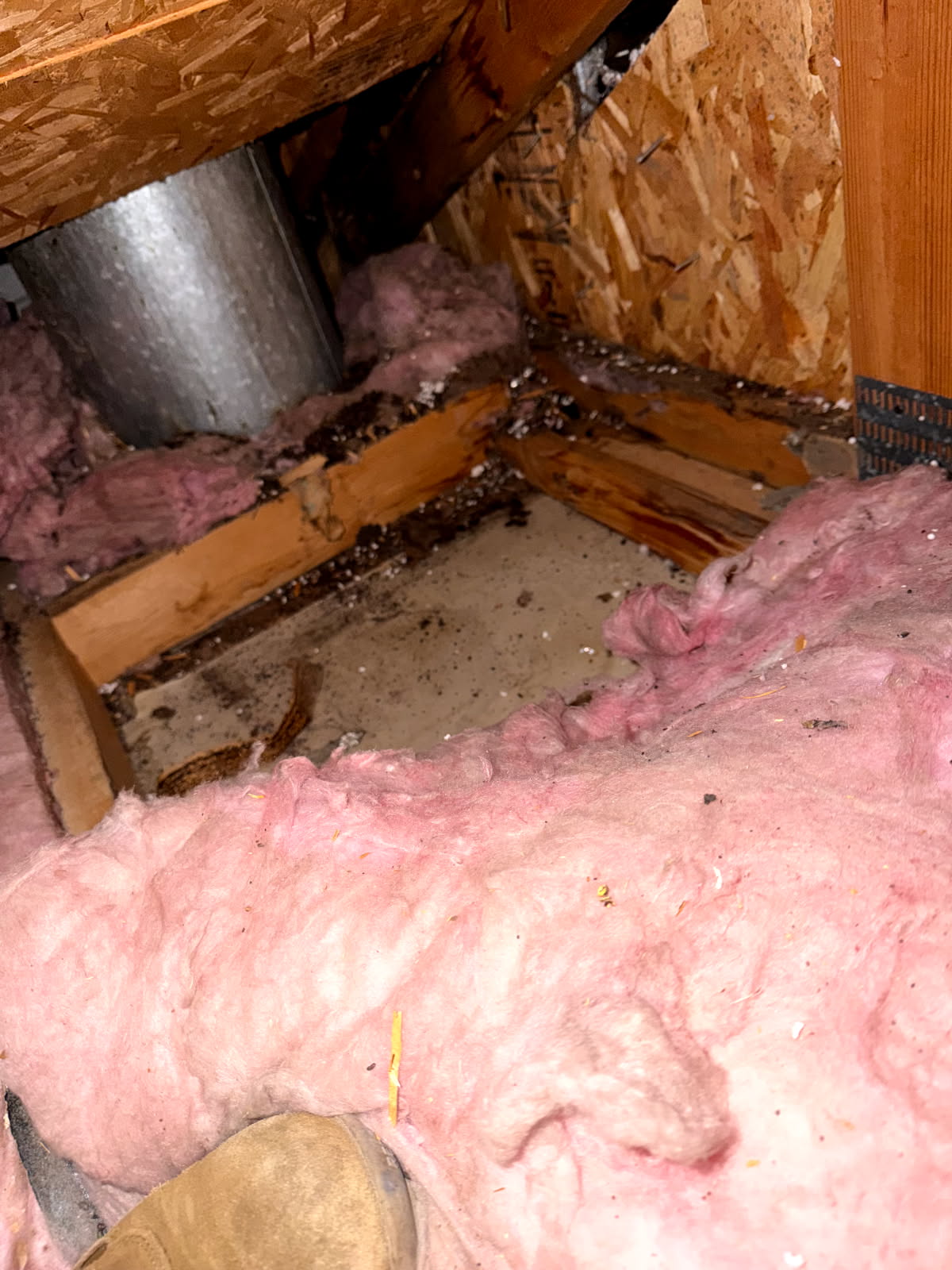
From a broader perspective, well-insulated buildings also support sustainability goals by reducing overall energy consumption. The image below shows an area where no insulation was present at all. This caused condensation and water damage to ceiling drywall and paint in a bedroom.
 |
Current Code Standards
Building and energy codes continue to evolve as efficiency standards increase. Most current codes reference minimum insulation “R-values,” which measure resistance to heat flow. In many regions, attic insulation requirements are higher than they were even a decade ago. While older buildings are not always required to retrofit to current code, insulation may need to be upgraded when major renovations occur or when deficiencies create health or safety concerns.
Associations should be aware that local amendments may apply and that code requirements can differ based on climate zone and building type. Here in the Chicagoland area of Illinois, where we are considered zone 5, a rating of R-49 is required for attic insulation.
Homeowner vs. Association Responsibility
Responsibility for attic insulation depends heavily on how ownership and maintenance obligations are defined in the governing documents. In single-family homes, attic insulation is often considered part of the individual unit and therefore the homeowner’s responsibility. In condominiums, and townhome complexes considered "condominiums", the analysis can be more complex.
If the attic is considered a common element, responsibility may rest with the association. If it is a limited common element or part of the unit boundaries, the owner may be responsible. Governing documents, including the declaration and maintenance matrix, are the final authority. When documents are unclear, legal counsel can help interpret responsibility before work is performed.
Risks of Ignoring Insulation Issues
Failure to properly address attic insulation can create several issues. Poor insulation can cause moisture buildup, leading to mold growth or structural deterioration. It may also increase the risk of roof damage due to ice dams or overheating of roofing materials. From an association standpoint, unresolved insulation issues can result in owner complaints, disputes over responsibility, and higher long-term maintenance costs.
A Proactive Approach
Regular inspections, clear maintenance standards, and owner education can help prevent insulation-related problems. Whether responsibility lies with the homeowner or the association, proactive planning and documentation go a long way toward protecting the building and maintaining harmony within the community.
About PMI Service Group
PMI Service Group manages residential rental homes, Associations, commercial properties and even commercial Associations. We also offer brokerage services for homeowners looking to sell their homes. We also conduct property acquisitions off-market, helping people who face foreclosure or private sales between real-estate investment clients looking to trim or add to their real estate portfolio(s). With many years of experience in construction, engineering, design, rehabs, investment property, property management and portfolio management, let's have a conversation about managing your Association.
PMI Service Group
630-912-8742