
Why Attic Insulation Matters for HOAs and Rental Properties
Attic insulation is one of the most overlooked building components in both community associations and rental properties. It is rarely visible, rarely discussed, and often ignored until a problem becomes expensive and unavoidable. Yet insufficient attic insulation is a common root cause of issues such as ice dams, heat loss, moisture intrusion, and rising utility costs.
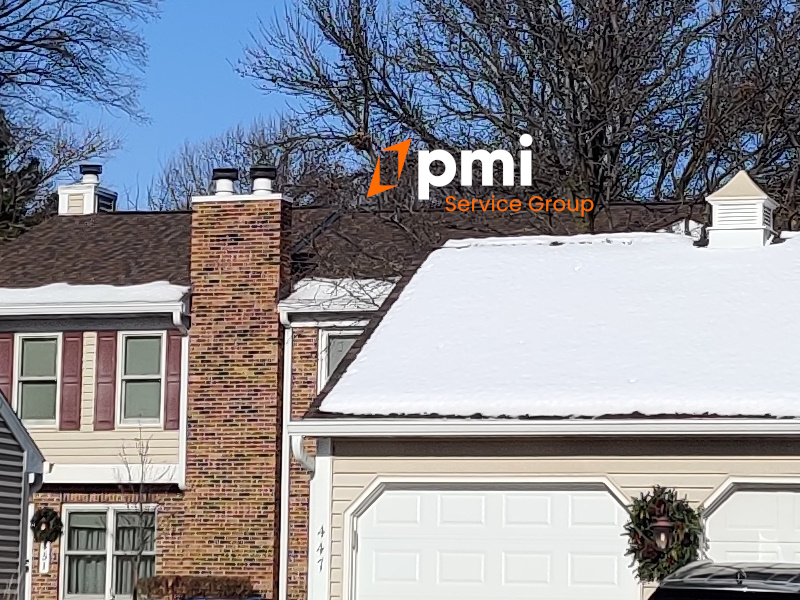
From an operational standpoint, attic insulation is not just an energy-efficiency concern. It is a building performance and risk management issue. In the image below, we can see a garage roof and just behind it the roof over the living space. Both face South. Over the garage there is a full coverage of snow. Over the living space, the snow has melted everywhere except over the eaves (the bottom couple feet at the gutter). Why?
Attic Insulation
Accelerated Snow-Melt
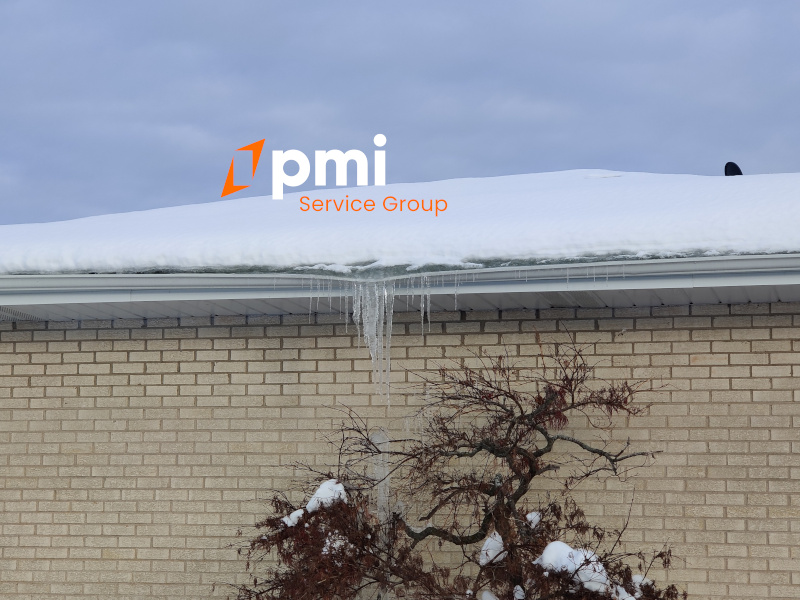
One of the most visible problems associated with inadequate attic insulation is ice dam formation. Ice dams occur when heat escapes from the living space into the attic, warming the roof surface and melting snow. As the water runs down to colder roof edges, it refreezes and builds up. Over time, this ice prevents proper drainage and forces water back under shingles and roofing materials. The result can be interior leaks, damaged ceilings, insulation saturation, mold growth, and premature roof deterioration.
For associations (HOA), ice dams often lead to disputes about responsibility and costly emergency repairs. For rental home owners (landlords), they can mean tenant complaints, unit damage, and insurance claims that could have been prevented.
Heat loss is another major consequence of insufficient attic insulation. Warm air naturally rises, and without adequate insulation, it escapes rapidly through the attic. This drives up heating costs, causes uneven temperatures throughout units, and puts unnecessary strain on HVAC systems. In multifamily buildings, this can also create wide variations in comfort between upper and lower floors, leading to ongoing resident dissatisfaction.
Poor insulation can also contribute to condensation and moisture problems in the attic space. When warm, moist air meets cold surfaces, condensation forms. Over time, this moisture can degrade insulation effectiveness, rot wood framing, stain and damage wet ceiling drywall, and promote mold growth. These issues are often discovered late, when remediation becomes significantly more expensive.
For associations, attic insulation should be viewed as part of long-term asset preservation. It affects roof performance, energy efficiency, and overall building durability. For rental property owners, it directly impacts operating costs, tenant comfort, and property value.
The solution is not always complicated. Properly installed insulation to current standards, combined with effective air sealing and ventilation, can dramatically reduce heat loss and ice dam risk. The key is evaluation. Many buildings have insulation that was adequate decades ago but no longer meets modern expectations or codes (at least R-38 insulation value).
In short, attic insulation is not a cosmetic upgrade for HOAs or rental properties and should not be overlooked. It is a fundamental building system that protects roofs, controls energy costs, and reduces preventable damage. Addressing it proactively is far less expensive than reacting after problems appear.
If you manage or own property in a cold climate, attic insulation deserves regular attention as part of responsible property management. Even self-managed landlords should understand they also act as property managers for their own properties and take a long-term approach to proactively address future issues.
PMI Service Group offers full-service property management for residential home rental, commercial management and leasing, and Association community management in the Chicagoland region. Give us a call if you're interested in talking about property management, real-estate investment goals or community issues. 630-912-8742